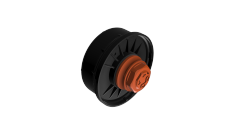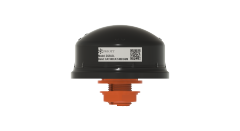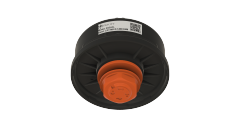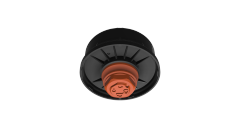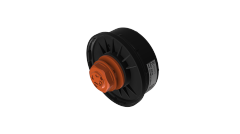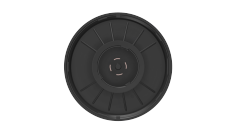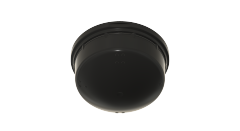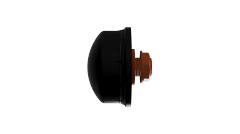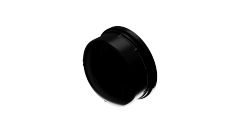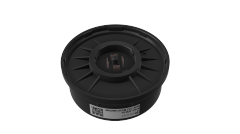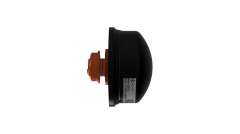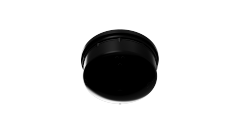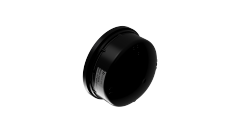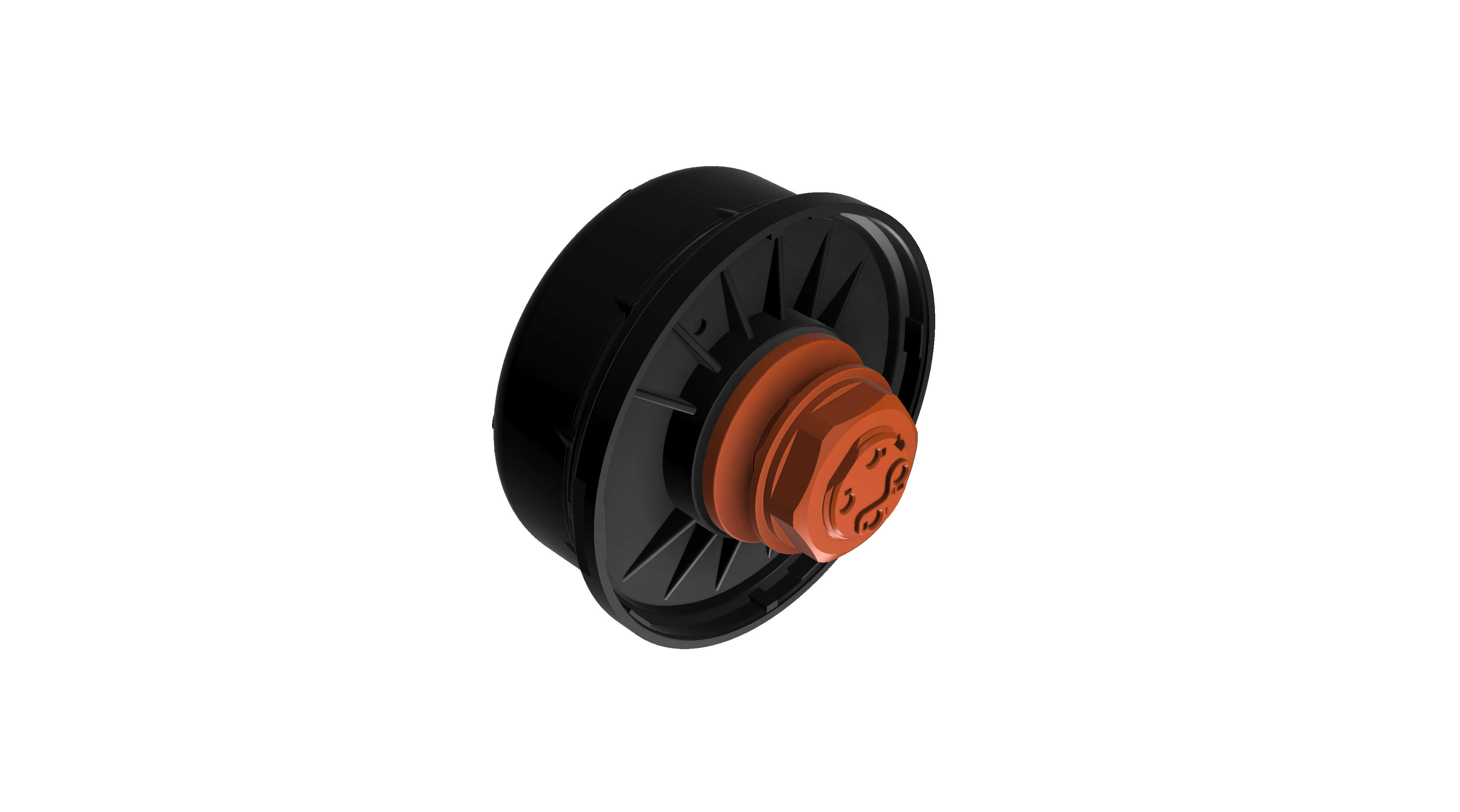
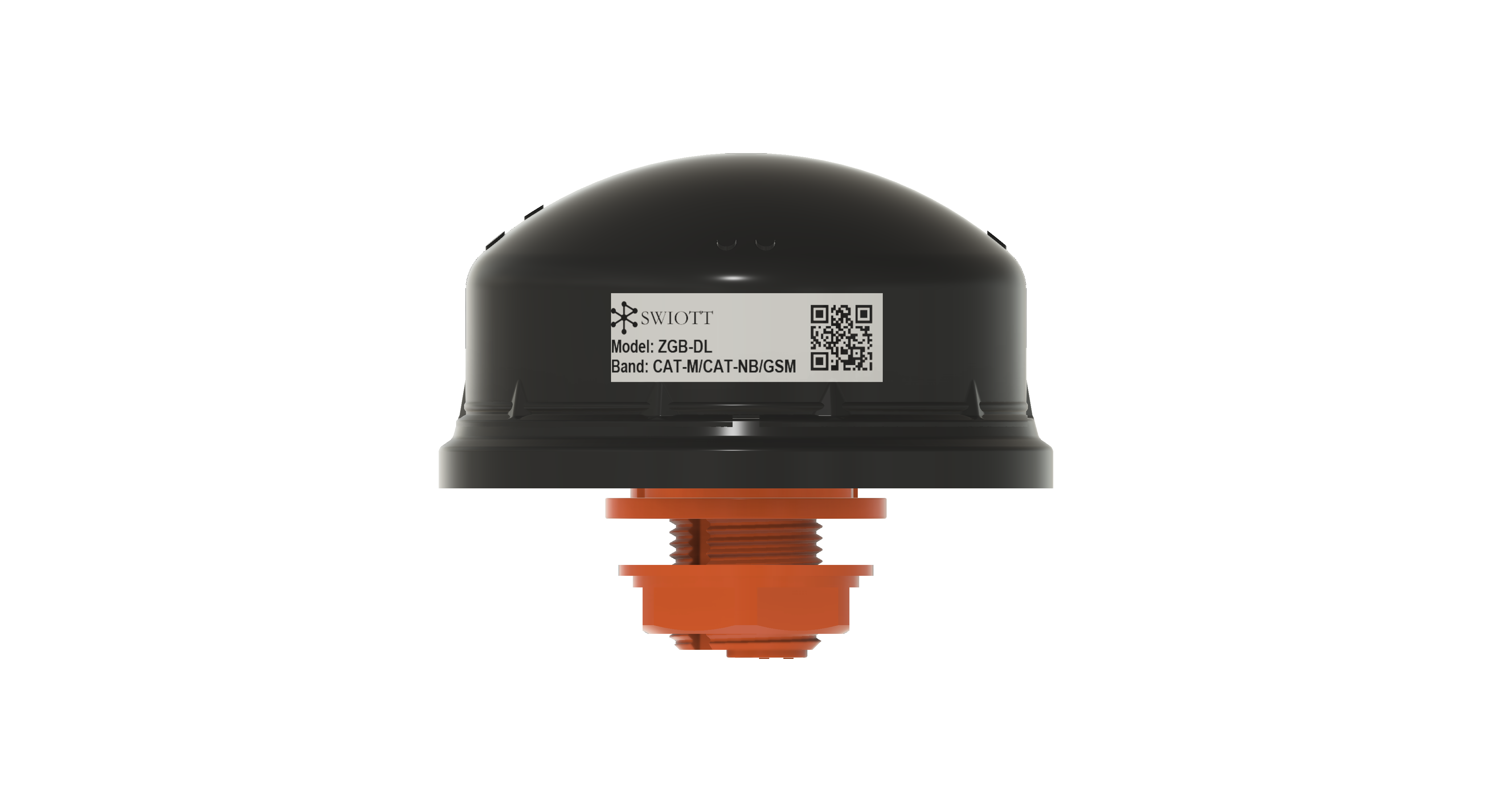
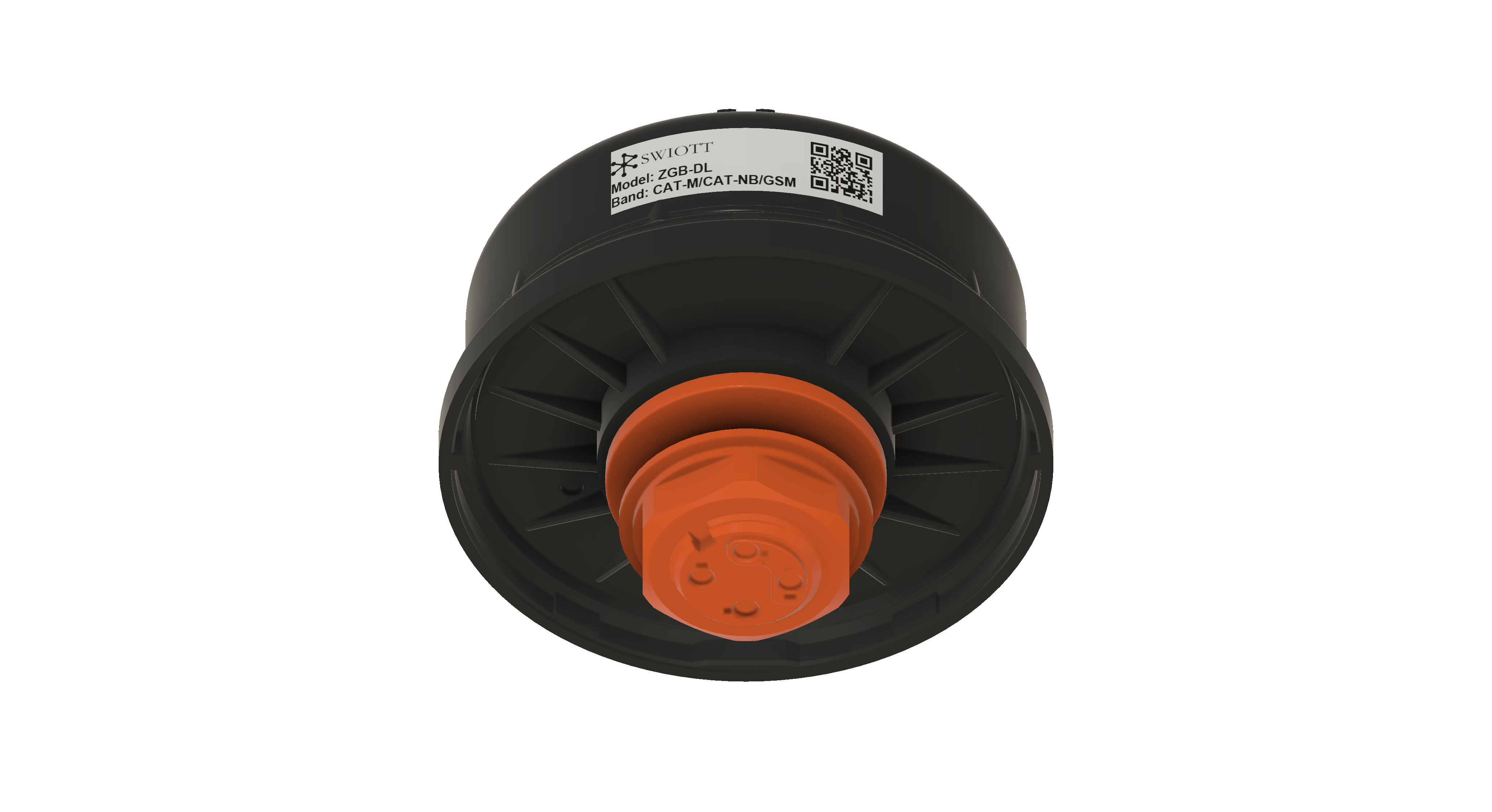
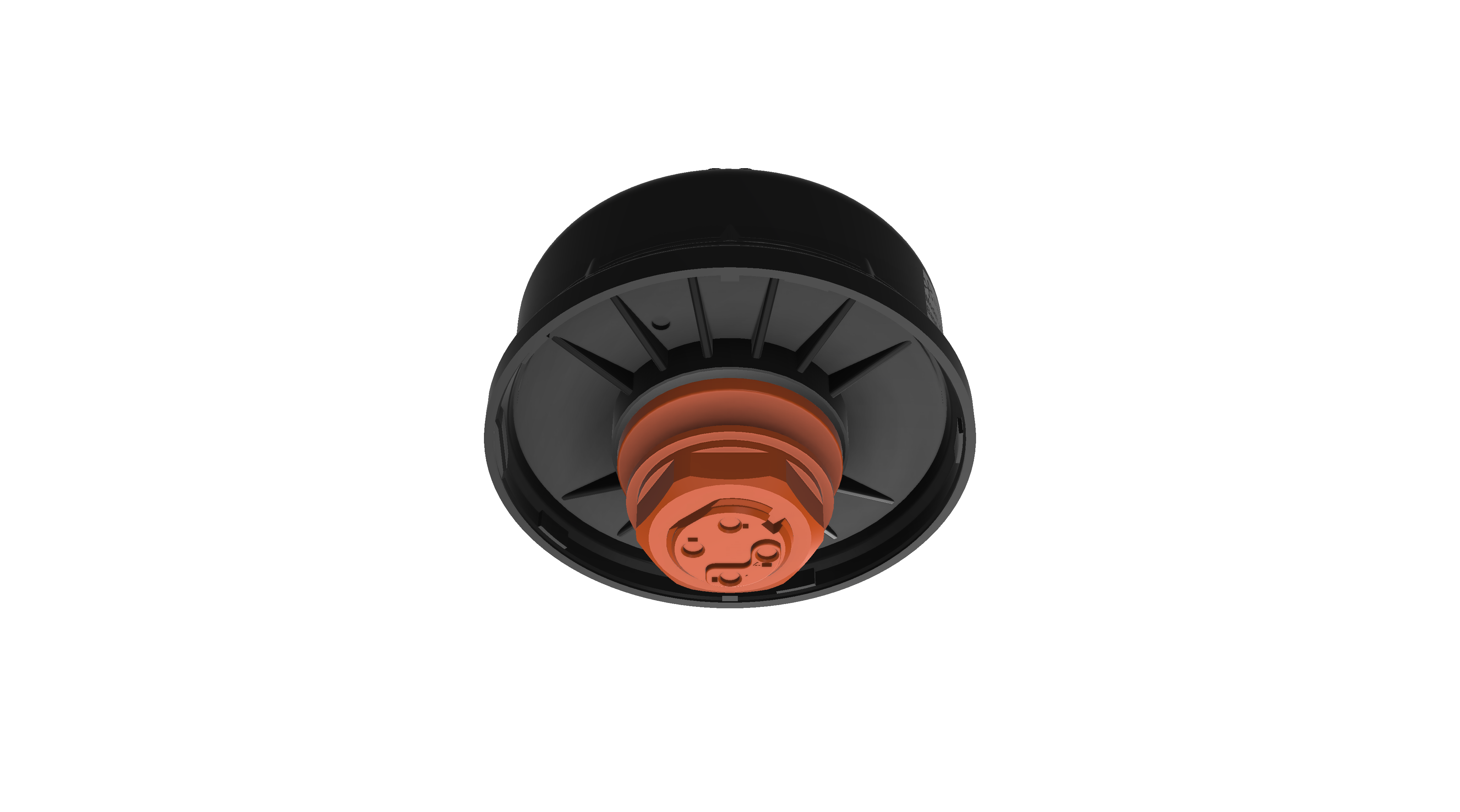
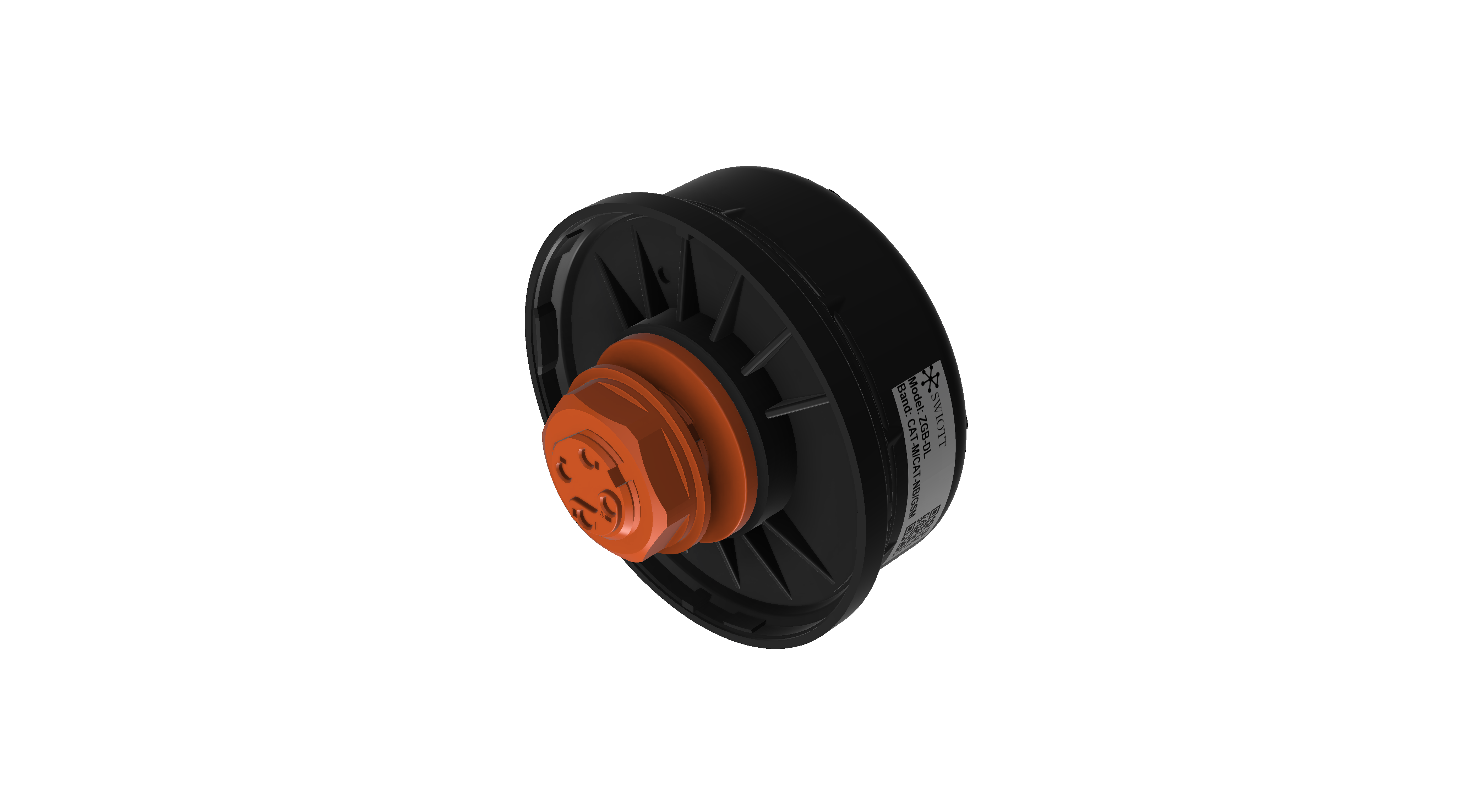
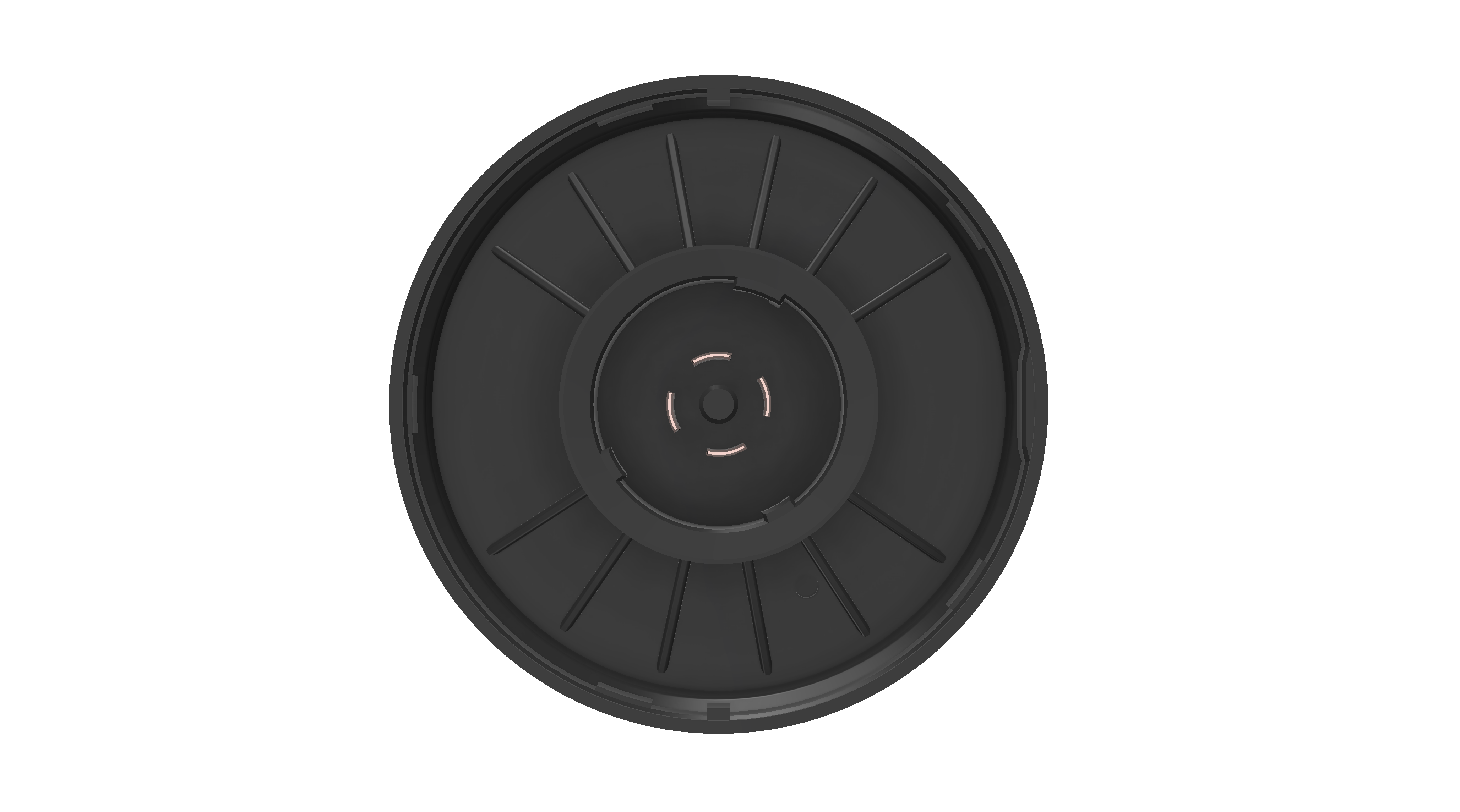
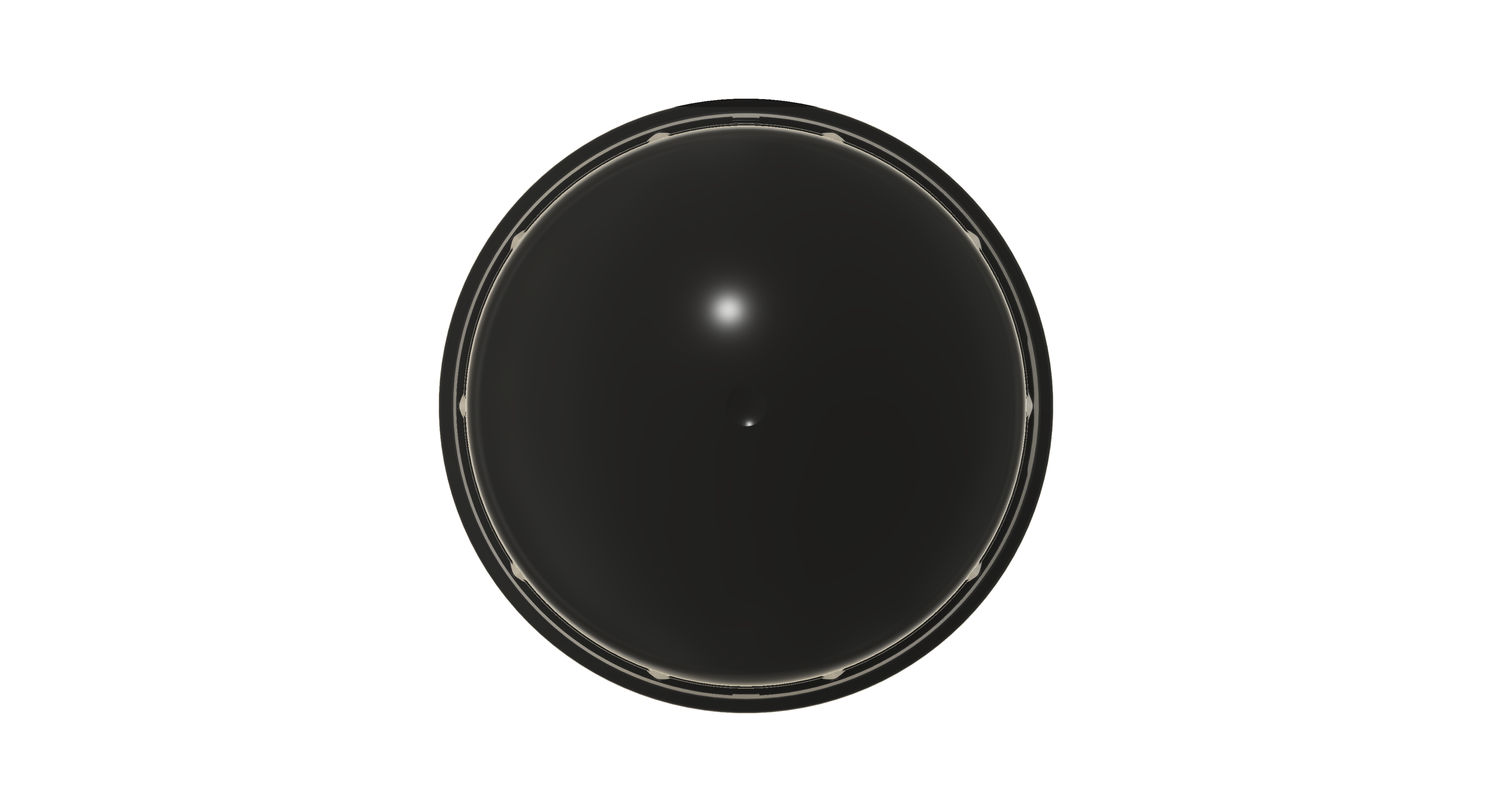
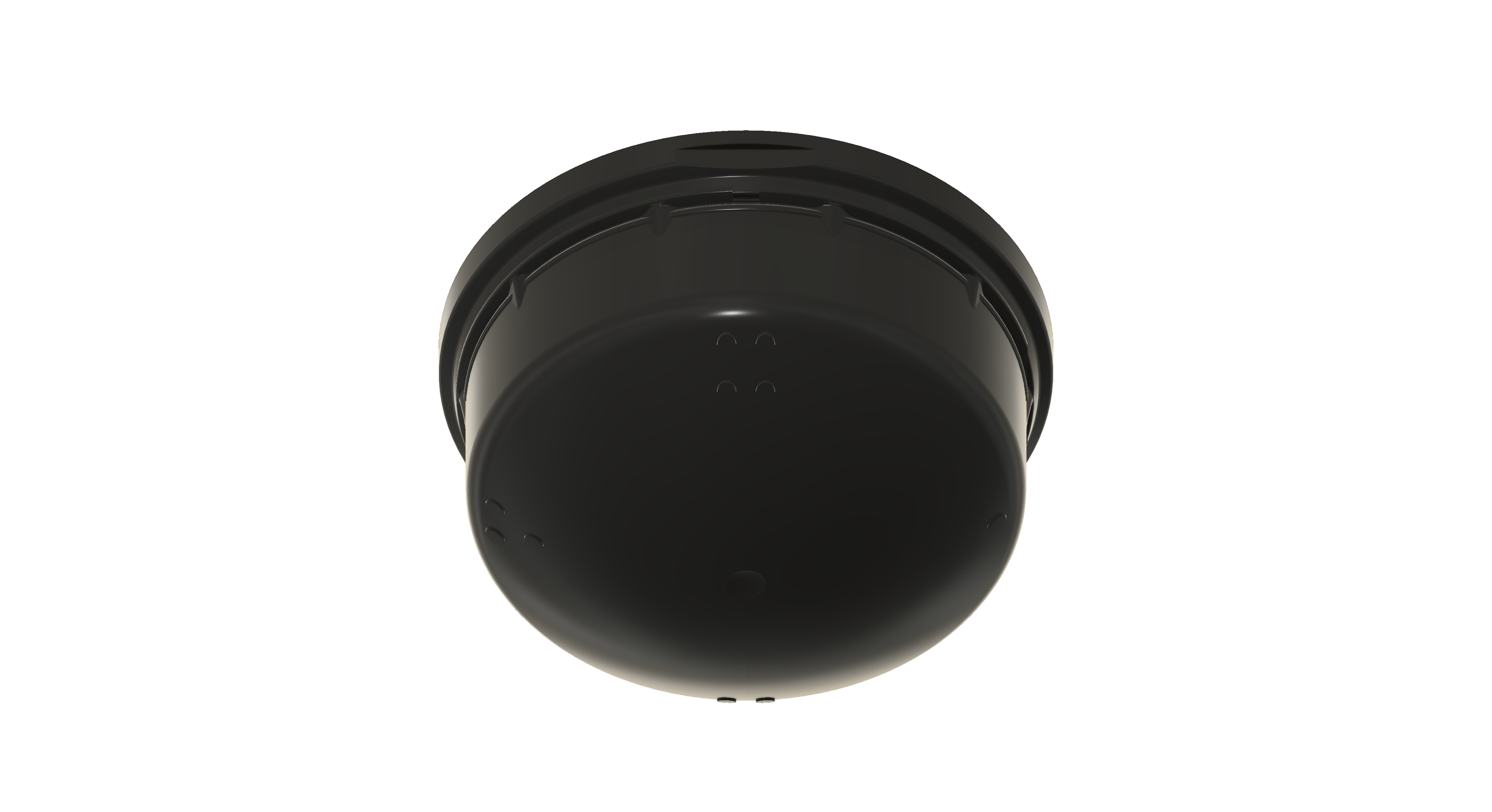
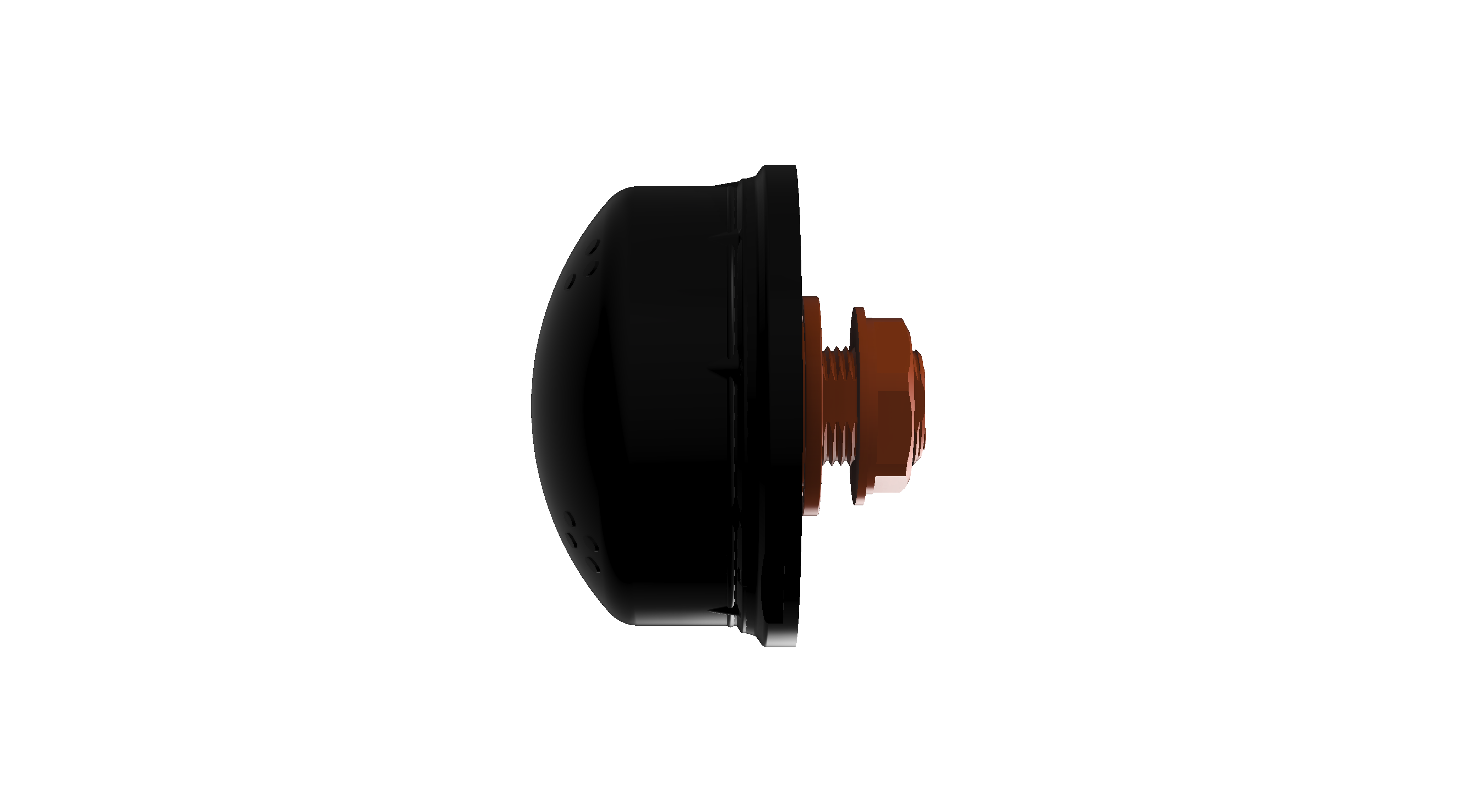
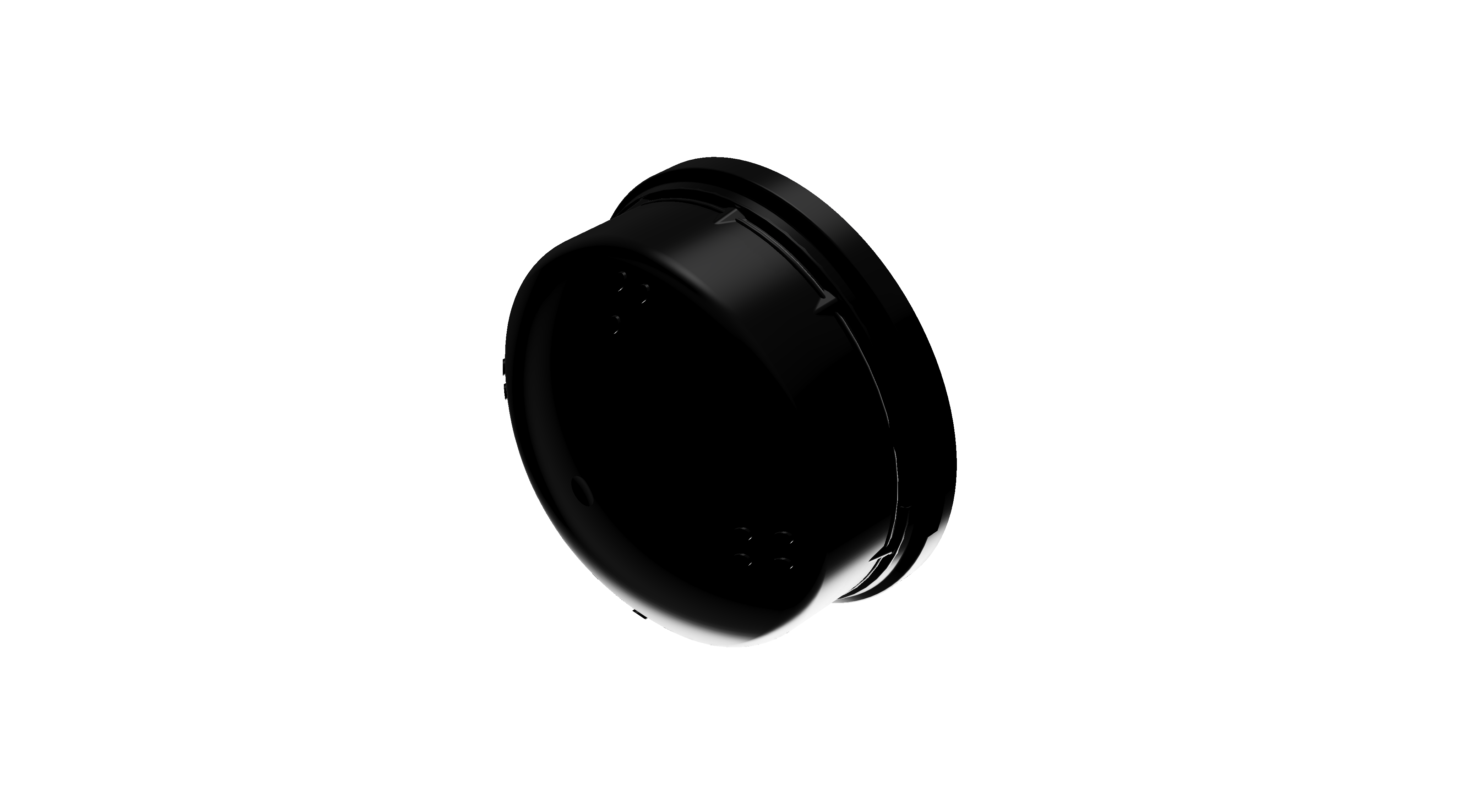
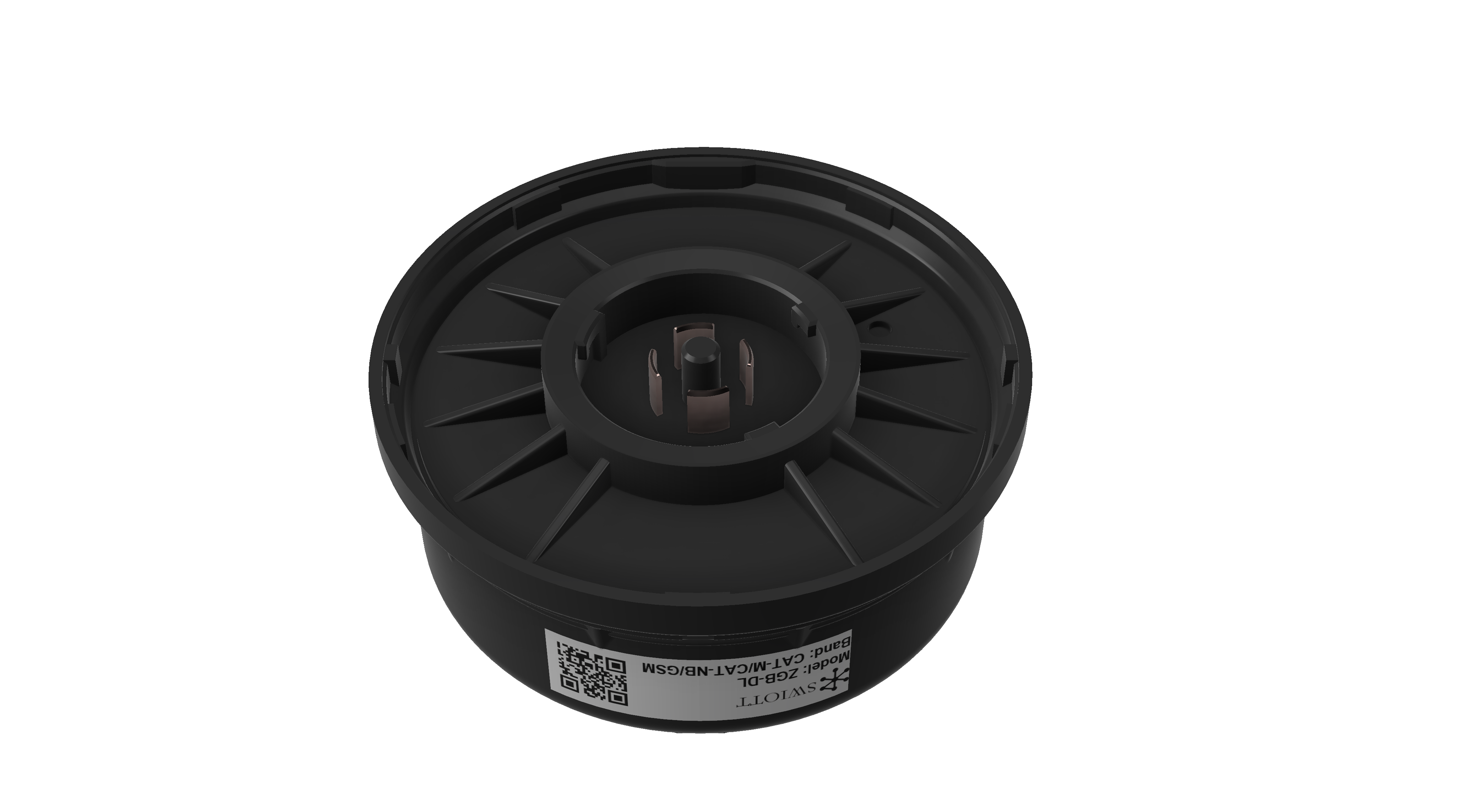
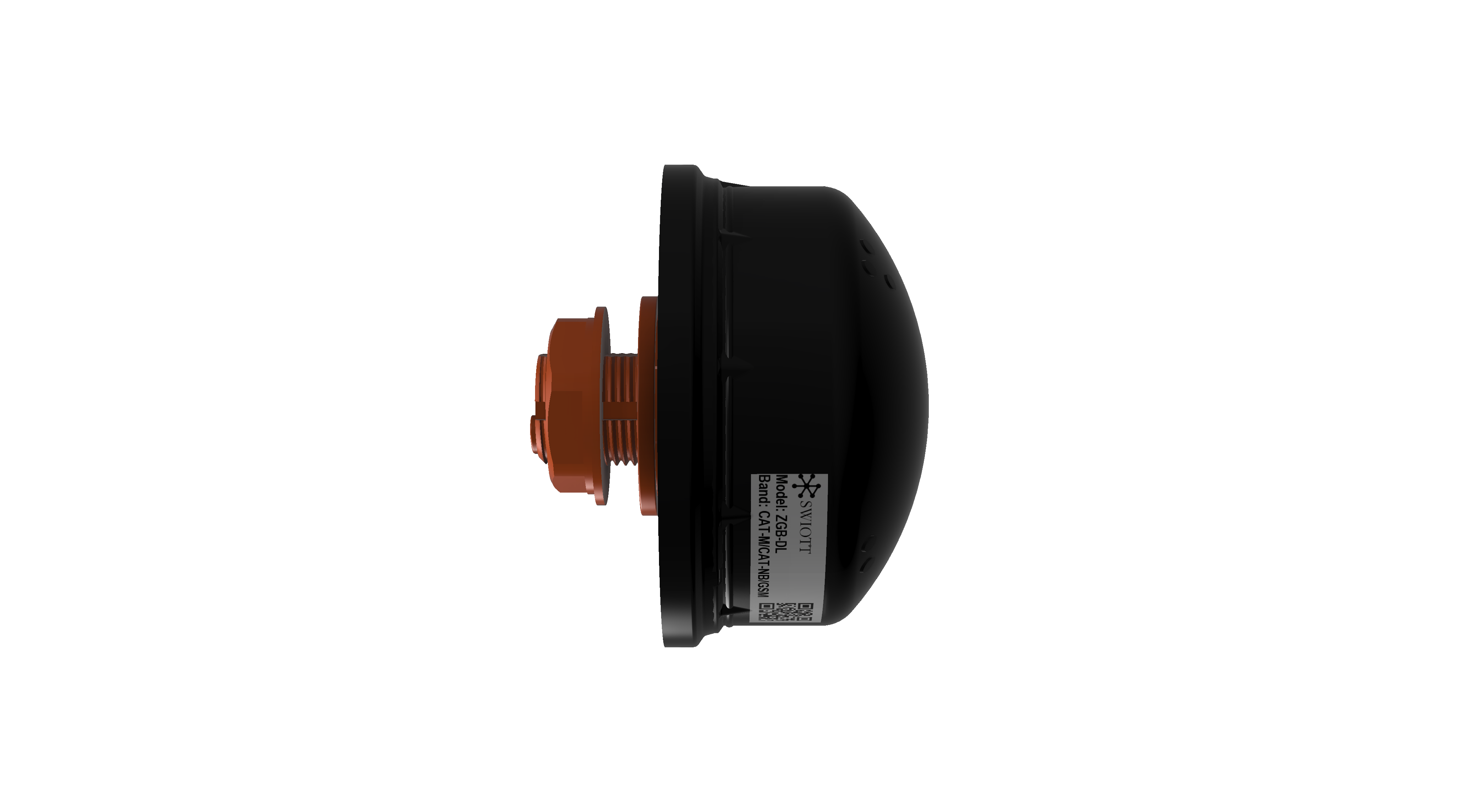
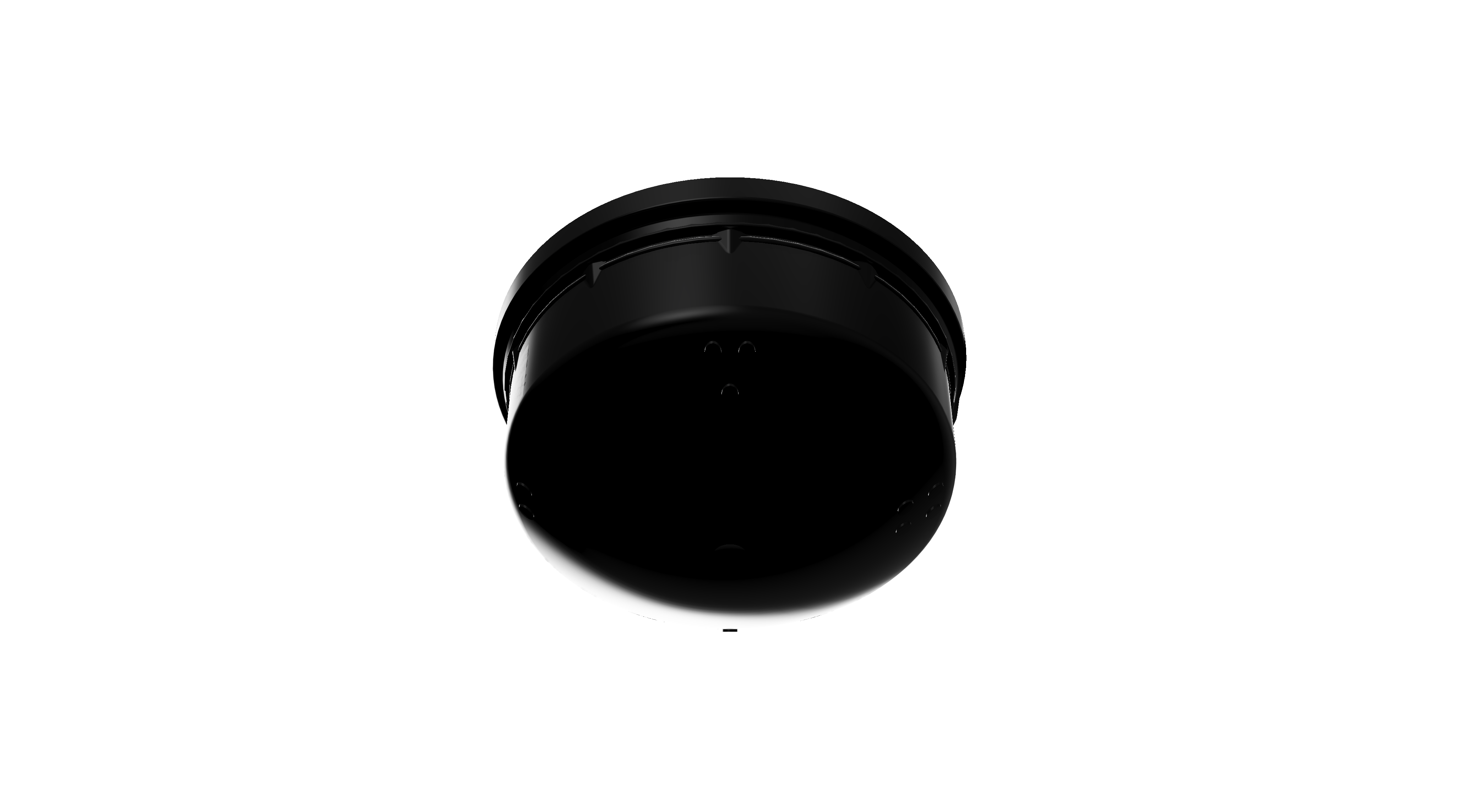
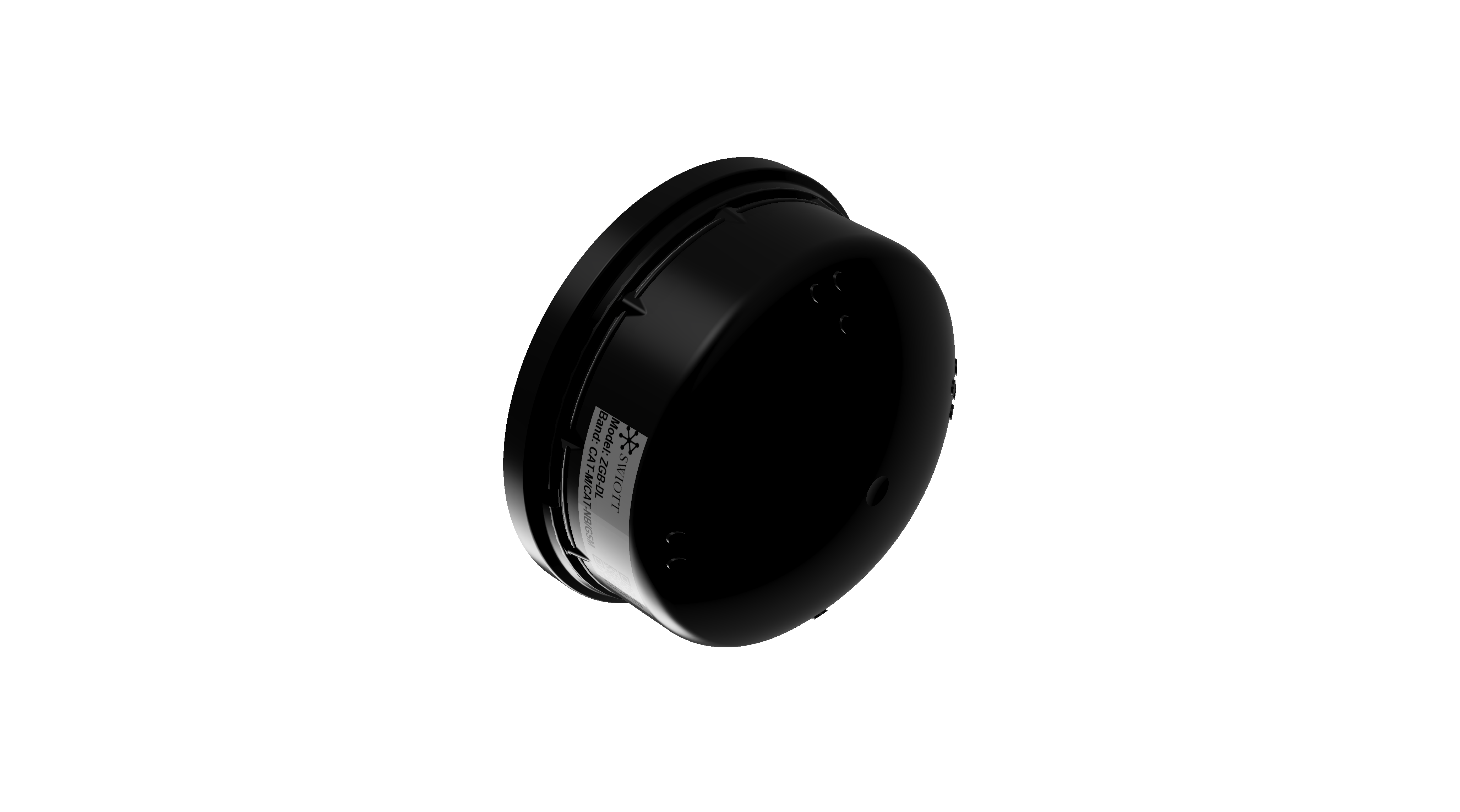
A Zhaga Book 18 node that runs on the operator's own gateway and dims existing drivers by 0-10V, so a district scales to thousands of poles without a SIM bill.
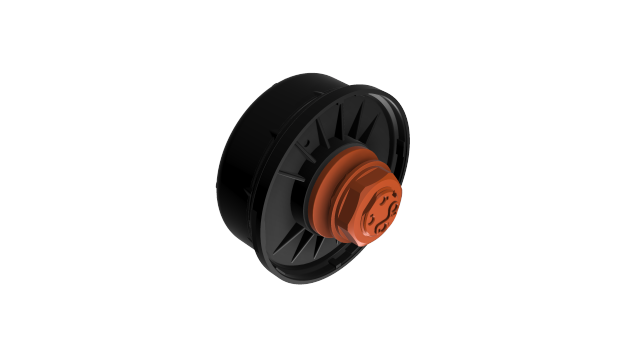
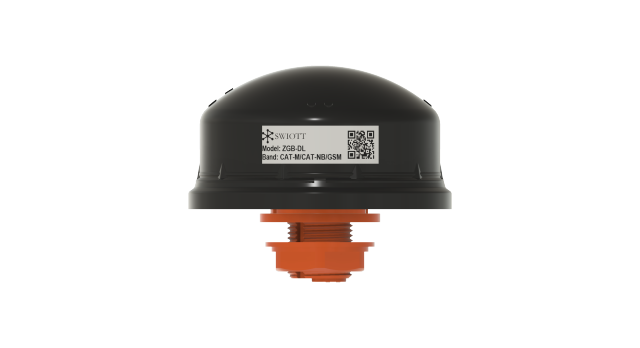
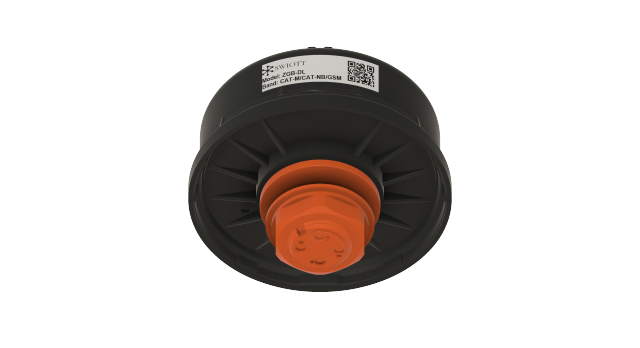
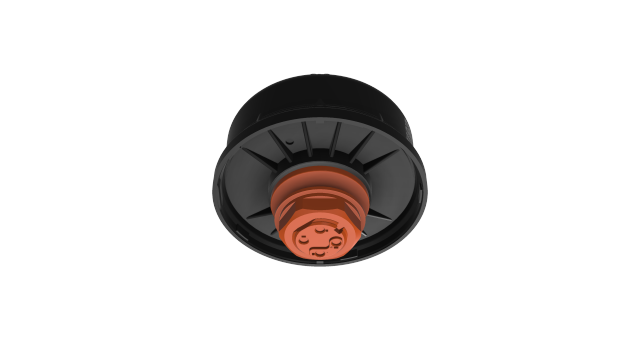
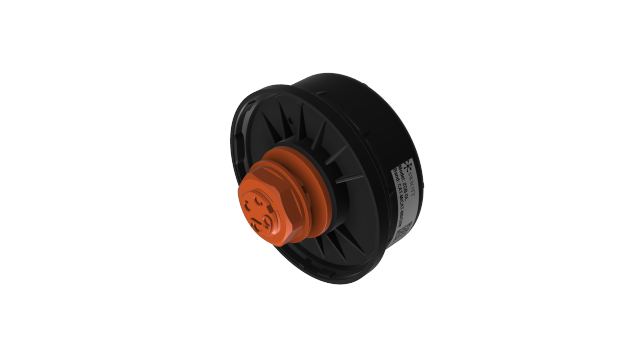
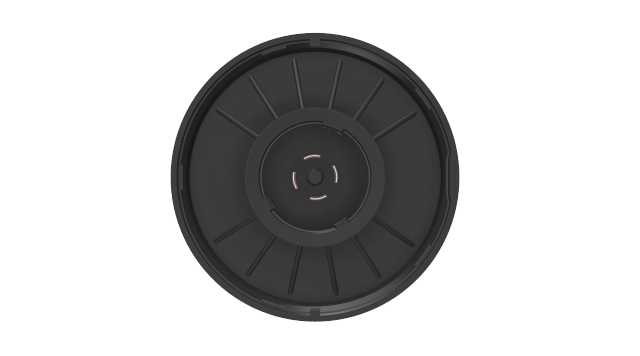
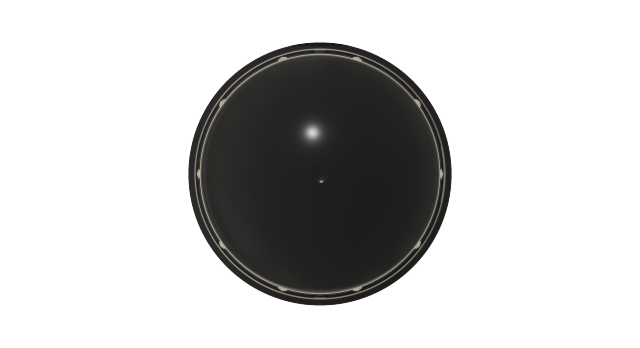
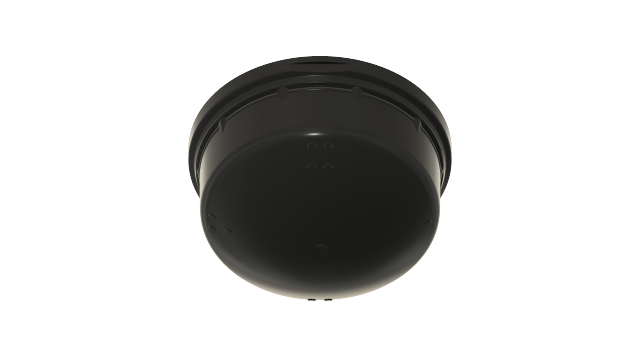
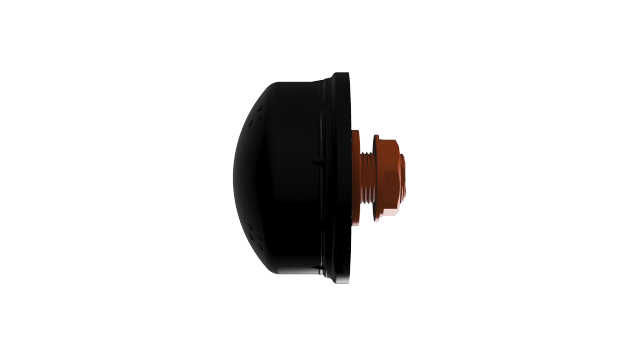
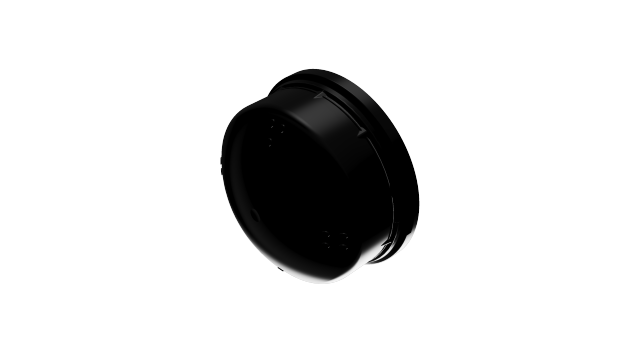
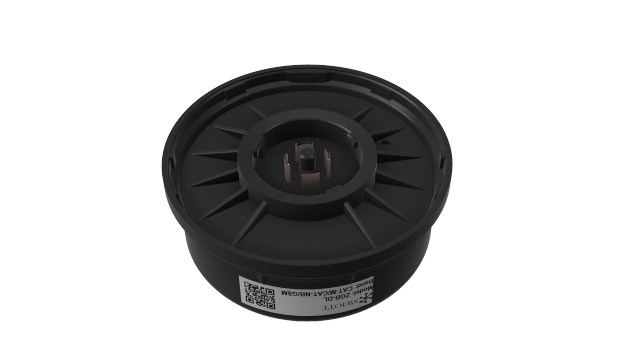
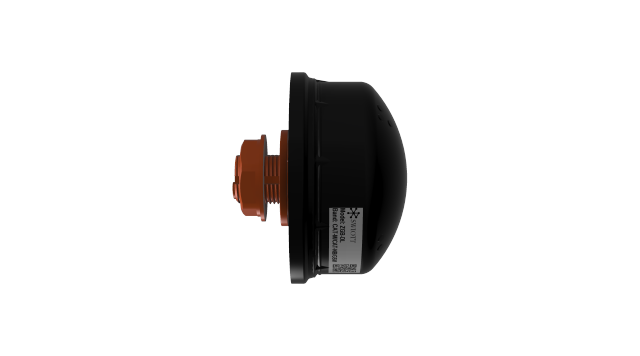
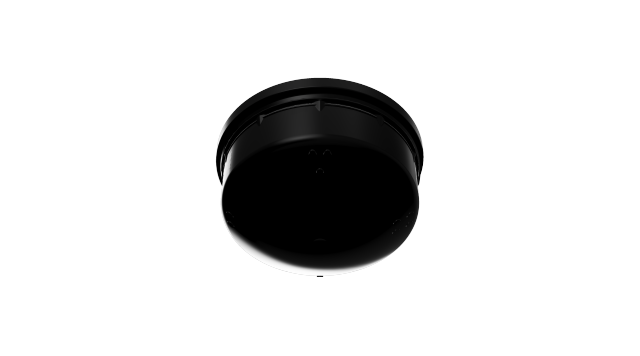
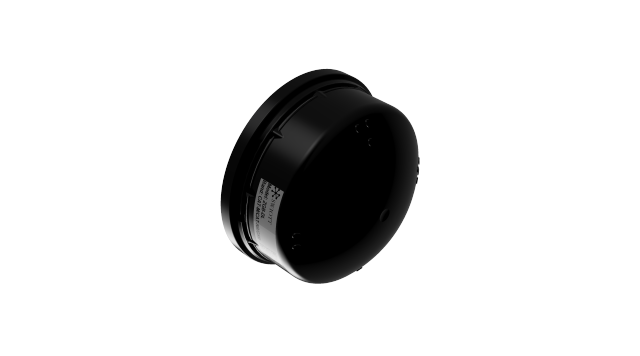
Most smart lighting pilots fail on the recurring bill, not on the hardware. A node that needs a SIM card turns a 500-pole district into 500 monthly subscriptions before the first saving appears. The ZGL-10 avoids that line item: it reports through a gateway the operator already owns. As a LoRaWAN street light controller it places dimming, metering and position data on the estate's own private street lighting network, and the cost of adding pole number 501 stays close to zero.
The platform turns raw readings into a street lighting energy saving case: baseline consumption, the kWh after dimming, and the delta per month per zone. Alerts cover lamp burnout, pole tilt and leakage, so a municipal lighting control team dispatches on evidence instead of on a night patrol round. Idle draw sits below 0.5 W and active monitoring at 1.4 W, 10 KV surge protection covers storm-prone regions, firmware moves over the air, and lab testing puts the unit at 80,000 hours. Full parameter details are provided in the specification table below.
Industrial parks and business campuses, port and logistics zones, hospital grounds, surface car parks and single-operator districts. These are places where the lighting estate and the network answer to the same owner, and where municipal lighting control is run by one team rather than three contractors.
It carries CE and RoHS, meets the Zhaga Book 18 controller specification for socket fit and pin-out, and ships in an IP66 UV-resistant polycarbonate housing for exposed mounting.
SWIOTT supplies Zhaga nodes and platform integration to municipal and industrial buyers. The unit carries a three-year comprehensive warranty, ships from one piece, supports OEM/ODM and scales to 50,000 units per month. Send your gateway model and pole count, and we will return a network plan and a saving estimate.